 2 months ago
Introduction
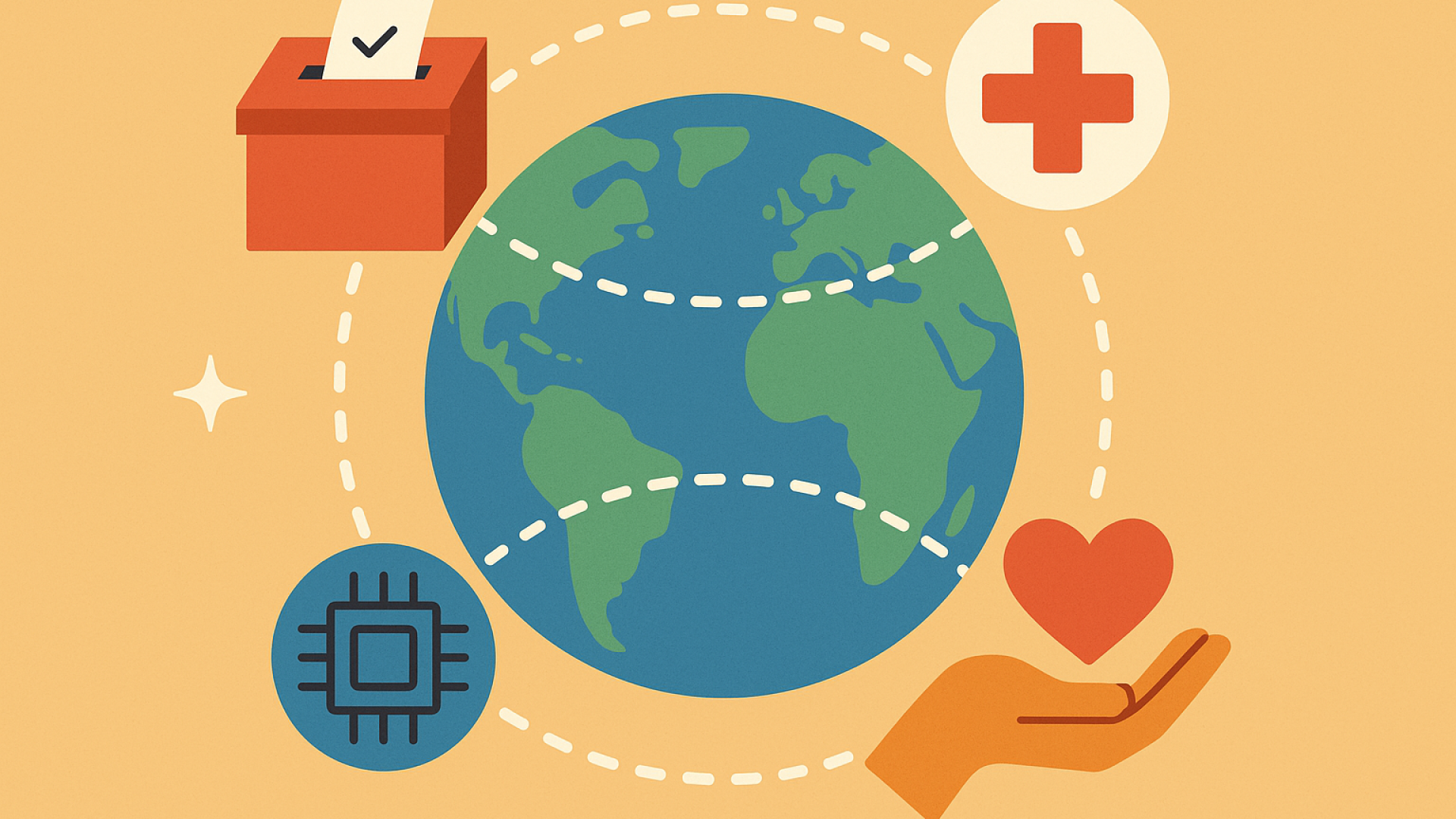
March 2026 marks a pivotal moment in global affairs, characterized by a convergence of critical issues spanning international politics, humanitarian aid, technological innovation, and public health. This period demands a nuanced understanding of the evolving landscape and a strategic approach to addressing the multifaceted challenges confronting nations and communities worldwide. The interconnected nature of these challenges highlights the necessity for collaborative efforts that transcend borders and sectors, ensuring that responses are both effective and sustainable.
Context: A World in Flux
The early months of 2026 have seen significant developments that underscore the fragility and interconnectedness of global systems. From escalating geopolitical tensions in the Middle East to breakthroughs in technology and mounting health crises, the international community is navigating a complex web of challenges that test diplomatic resolve, economic stability, and social cohesion.
One of the most pressing concerns remains the ongoing conflict involving Iran, where shifting U.S. policies and regional dynamics continue to influence the geopolitical balance. The potential reopening of critical maritime routes and recalibration of military engagement strategies reflect broader efforts to stabilize the region while safeguarding global economic interests. Simultaneously, humanitarian organizations are grappling with the urgent need to deliver aid amid political instability and environmental disasters, which have intensified in frequency and severity due to climate change.
Technological advancements offer both opportunities and risks, reshaping economies and societies while raising ethical and security questions. Innovations in artificial intelligence, digital currencies, and communication technologies are transforming how governments and businesses operate, yet they also present challenges related to privacy, cybersecurity, and equitable access. Meanwhile, public health systems worldwide are under strain from emerging threats such as novel infectious diseases and demographic shifts, including aging populations and urbanization, which complicate healthcare delivery and resource allocation.
Core Developments and Their Implications
Geopolitical Landscape: The Iran Conflict and U.S. Policy Evolution
The conflict involving Iran remains a focal point of international attention. Recent statements from U.S. leadership suggest a potential winding down of direct military engagement, with considerations about the strategic reopening of the Strait of Hormuz—a critical maritime chokepoint for global oil shipments. This shift reflects a complex calculus balancing military objectives, regional stability, and economic interests. The reopening of this vital passage could alleviate some pressures on global energy markets, potentially stabilizing oil prices and easing supply chain disruptions.
However, the situation remains fluid and fraught with uncertainty. Analysts caution that any de-escalation must be accompanied by robust diplomatic efforts to prevent resurgence of hostilities. The evolving U.S. stance also impacts allied nations and global markets, underscoring the interconnected nature of security and economic stability. Regional actors, including Gulf Cooperation Council countries and global powers, are closely monitoring developments, with some advocating for increased multilateral engagement to foster long-term peace and security.
Humanitarian Aid: Challenges Amid Political and Environmental Crises
Humanitarian organizations face unprecedented challenges in delivering aid to vulnerable populations affected by conflict, displacement, and natural disasters. Political restrictions, logistical hurdles, and security concerns complicate efforts to provide timely assistance. In many conflict zones, access remains limited due to ongoing hostilities and bureaucratic impediments, which hinder the delivery of essential supplies such as food, medicine, and shelter.
For example, in regions affected by intensified snowfall and harsh winter conditions, such as parts of Japan, elderly populations are at heightened risk. The combination of demographic shifts and environmental stressors calls for targeted interventions that address both immediate needs and long-term resilience. In these areas, infrastructure challenges, including power outages and transportation disruptions, exacerbate vulnerabilities, making it difficult for healthcare providers and social services to reach those in need.
Moreover, climate change continues to amplify the frequency and severity of natural disasters worldwide, from floods and droughts to storms and wildfires. These events not only displace communities but also strain humanitarian resources and complicate recovery efforts. Coordinated international responses that integrate disaster risk reduction and climate adaptation strategies are increasingly vital to mitigate these impacts.
Technological Advancements: Opportunities and Ethical Considerations
Technological innovation continues to accelerate, influencing sectors from finance to healthcare. The emergence of new digital currencies, including politically symbolic initiatives like recently introduced commemorative coins, reflects broader trends in economic modernization and identity politics. These digital assets are reshaping financial ecosystems by enabling faster transactions, increasing transparency, and promoting financial inclusion, especially in underserved regions.
At the same time, advancements in artificial intelligence, data analytics, and communication technologies offer tools to enhance governance, disaster response, and public health monitoring. Governments and organizations are leveraging AI-driven predictive models to anticipate disease outbreaks, optimize resource allocation, and improve emergency response times. Additionally, blockchain technology is being explored to secure supply chains and ensure the integrity of humanitarian aid distribution.
Yet, these developments raise important ethical questions about privacy, security, and equitable access that require careful policy frameworks. Concerns about data misuse, surveillance, algorithmic bias, and digital divides highlight the need for transparent governance and inclusive technology design. Public engagement and international cooperation are essential to establish standards that protect individual rights while fostering innovation.
Public Health: Addressing Emerging Threats and Demographic Shifts
Public health systems worldwide are confronting a dual challenge: managing emerging infectious diseases and adapting to demographic changes such as aging populations. In countries like Japan, where the elderly demographic is significant, intensified snowfall exacerbates health risks, including increased mortality from cold exposure and limited access to care. These environmental factors compound existing challenges related to chronic diseases, mental health, and social isolation among older adults.
Global health initiatives are increasingly focusing on integrated approaches that combine preventive care, emergency preparedness, and social support systems to enhance community resilience. Innovations in telemedicine and mobile health technologies are expanding access to healthcare services, particularly in remote and underserved areas. Furthermore, international collaborations are strengthening disease surveillance networks and accelerating vaccine development to respond swiftly to emerging pathogens.
Addressing health inequities remains a priority, as vulnerable populations often bear the brunt of health crises. Efforts to improve health literacy, promote healthy aging, and ensure equitable distribution of medical resources are critical components of comprehensive public health strategies.
Potential Solutions and Strategic Approaches
Diplomatic Engagement and Conflict Resolution
To stabilize the Middle East and reduce the risk of renewed conflict, sustained diplomatic engagement is essential. Multilateral forums and back-channel negotiations can facilitate dialogue, build trust, and create frameworks for conflict de-escalation and economic cooperation. Confidence-building measures, such as arms control agreements and joint economic projects, may foster a more conducive environment for peace.
Engaging regional stakeholders, including non-state actors and civil society, can enhance the legitimacy and effectiveness of peace initiatives. Additionally, integrating conflict prevention into broader development agendas helps address root causes such as poverty, inequality, and governance deficits.
Enhancing Humanitarian Aid Delivery
Improving coordination among international agencies, leveraging technology for logistics management, and advocating for humanitarian access in conflict zones are critical steps. The use of satellite imagery, drones, and AI-powered analytics can optimize supply chains and monitor aid distribution in real time, ensuring resources reach those most in need.
Tailored interventions that consider local contexts and vulnerabilities, such as those affecting elderly populations in harsh climates, can improve aid effectiveness. Capacity-building initiatives that empower local organizations and communities enhance sustainability and responsiveness. Furthermore, integrating climate resilience into humanitarian programming helps mitigate the impact of environmental shocks.
Responsible Technological Innovation
Governments and private sectors must collaborate to develop ethical guidelines and regulatory frameworks that promote innovation while safeguarding rights and security. Establishing clear standards for data protection, algorithmic transparency, and equitable access is vital to prevent misuse and discrimination.
Public engagement and transparency are key to building trust and ensuring technologies serve the public good. Educational campaigns and inclusive policymaking processes can foster digital literacy and empower citizens to participate in shaping technological futures. International cooperation is also necessary to address cross-border challenges such as cybercrime and digital governance.
Strengthening Public Health Infrastructure
Investing in healthcare systems, particularly in preventive and community-based care, can mitigate the impact of demographic and environmental challenges. Expanding the healthcare workforce, improving infrastructure, and enhancing supply chains are foundational to resilient health systems.
Integrating technology for disease surveillance and emergency response enhances preparedness and resilience. Collaborative research and data sharing accelerate innovation and inform evidence-based policies. Additionally, social policies that address determinants of health, such as housing, nutrition, and social inclusion, contribute to overall well-being.
Conclusion
March 2026 presents a complex tableau of global challenges that require coordinated, multifaceted responses. Navigating the intertwined issues of geopolitics, humanitarian aid, technology, and health demands collaboration across nations, sectors, and communities. By embracing diplomacy, innovation, and inclusive policies, the international community can work towards a more stable, equitable, and resilient future. The path forward hinges on our collective ability to adapt, cooperate, and prioritize human dignity in the face of uncertainty and change.